How to Inspect Your Milltown Home for Hidden Moisture Issues
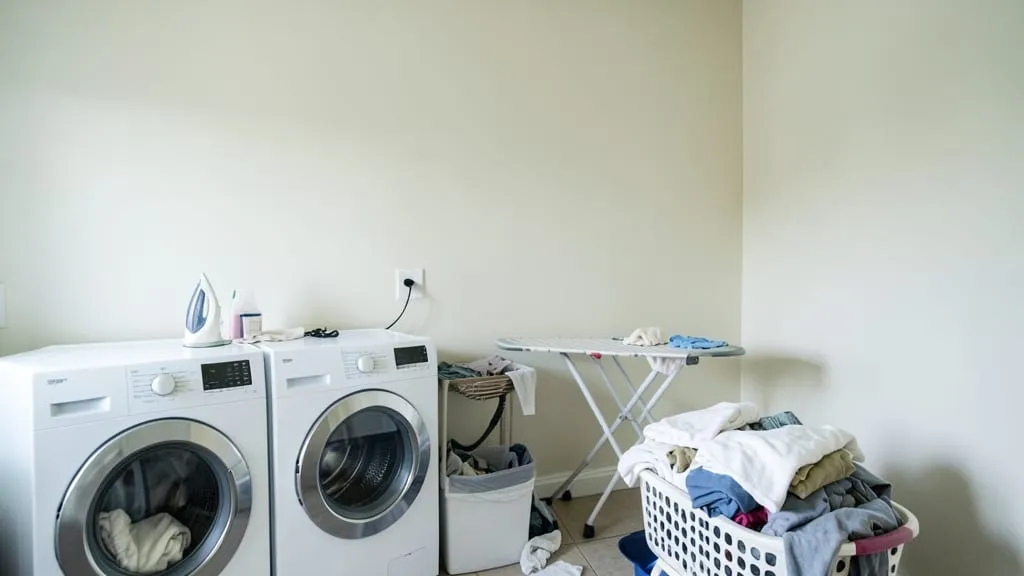
Hidden moisture is the silent precursor to mold growth in Central Jersey homes. We’ve seen it time and again in Milltown, East Brunswick, and North Brunswick—small leaks or condensation go unnoticed until colonies spread behind walls or under flooring. Catching it early saves time, health, and structural integrity.
Why Hidden Moisture Is a Big Deal in Central Jersey
Our region’s humid summers and wet springs create perfect conditions for moisture buildup. Poor drainage around foundations in neighborhoods like Clyde or Forsgate can worsen the problem.
Even newer homes in areas such as Kendall Park or Franklin Park aren’t immune. Improperly sealed basements or attics trap vapor, leading to mold on drywall, insulation, or framing.
Mold can begin growing within 24–48 hours of water exposure. Don’t wait for visible signs—by then, remediation is more complex.
Tools You’ll Need for a Thorough Inspection
A quality moisture meter is non-negotiable. Pin-type meters measure wood and drywall, while pinless models scan surfaces without damage.
Add a hygrometer to track relative humidity—anything above 60% in living spaces or basements signals trouble. Thermal imaging cameras reveal cold spots where condensation forms.
Common Problem Areas in Local Homes
Basements and crawl spaces top the list, especially in older Milltown homes or those near the Raritan River. Look for efflorescence (white mineral deposits) on concrete walls.
Attics often suffer from poor ventilation. In East Brunswick or Spotswood, ice dams in winter can force water under roofing, soaking insulation.
Bathrooms, kitchens, and laundry rooms are hotspots. Check under sinks, behind appliances, and around HVAC units in places like Helmetta or South River.
| Area | Common Moisture Source | Red Flags |
|---|---|---|
| Basement | Groundwater seepage, poor grading | Musty odors, water stains, efflorescence |
| Attic | Roof leaks, condensation, poor ventilation | Dark stains on rafters, damp insulation |
| Bathroom | Leaky pipes, shower pan failures | Peeling caulk, soft subflooring |
| Crawl Space | High humidity, lack of vapor barrier | Standing water, wood rot, mold on joists |
| HVAC System | Condensate drain clogs, duct sweating | Reduced airflow, visible mold on vents |
Step-by-Step Moisture Detection Techniques
Start with a visual scan. Water stains, discoloration, or warped baseboards are obvious clues. In older homes near Metuchen or Old Bridge, check for peeling paint—it often means trapped moisture.
Use your moisture meter on walls, floors, and ceilings. Readings above 15–20% in wood or 1–2% in drywall demand attention. Pay extra care to areas near windows and exterior walls.
When to Call in the Pros
If you find elevated moisture but can’t pinpoint the source, a professional mold inspection is wise. We use advanced tools like borescopes to inspect inside walls without demolition.
For commercial properties near Rutgers or in Somerset, or multi-unit buildings in Highland Park, professional testing ensures compliance with local and state remediation standards.
Costs vary based on square footage, mold type, and structural damage. Request a quote to understand the scope and next steps.
Preventing Future Moisture Problems
Improve drainage around your foundation. In flood-prone areas like Sayreville or Jamesburg, consider French drains or regrading your yard.
Install vapor barriers in crawl spaces and use dehumidifiers in basements. For attics, ensure proper soffit and ridge ventilation to reduce condensation.
Regularly inspect roofs, gutters, and downspouts. Clogged gutters in neighborhoods like Madison Park or Pleasant Plains can lead to water intrusion and mold in attics or exterior walls.
Moisture Prevention Checklist
- Inspect gutters and downspouts twice yearly
- Seal gaps around windows and doors
- Use exhaust fans in bathrooms and kitchens
- Maintain indoor humidity below 50%
- Install a sump pump if your basement floods
Local Conditions That Increase Risk
Milltown’s proximity to the Raritan River and its tributaries means higher groundwater tables. Homes in low-lying areas or near Six Mile Run may need additional moisture controls.
Older construction in areas like East Millstone or Keasbey often lacks modern vapor barriers. Retrofitting can prevent chronic moisture issues.
How to Test for Hidden Moisture in Walls
Follow these steps to check for moisture behind drywall without major demolition.
- 1Visual Inspection
Look for water stains, peeling paint, or bulging drywall. Pay special attention to corners and areas near plumbing.
- 2Use a Moisture Meter
Scan the wall surface with a pinless meter. High readings (above 1–2%) indicate trapped moisture.
- 3Drill Small Test Holes
If readings are high, carefully drill a small hole and insert a pin-type meter to measure moisture inside the wall cavity.
- 4Check for Mold Odor
A musty smell behind the wall confirms moisture. If detected, avoid disturbing the area and contact a pro for mold testing.
- 5Thermal Imaging Scan
Use an infrared camera to identify cold spots where condensation may be forming. This is especially useful in attics and basements.
- 6Document Findings
Note all high-moisture areas and take photos. This helps professionals assess the scope if remediation is needed.
Frequently Asked Questions
How do I know if my Milltown home has hidden moisture?
Signs include musty odors, water stains, peeling paint, or warped floors. A moisture meter can confirm elevated levels in walls or floors. If unsure, a professional mold inspection provides clarity.
Can I fix hidden moisture myself?
Minor issues like small leaks or condensation can often be addressed with better ventilation or dehumidifiers. However, widespread moisture or mold requires professional remediation to ensure safety and prevent recurrence.
What areas near Milltown are most prone to moisture issues?
Homes in flood-prone areas like Sayreville, Old Bridge, or near the Raritan River face higher risks. Older neighborhoods in New Brunswick or Highland Park also commonly struggle with poor drainage and aging infrastructure.
Is hidden moisture always a sign of mold?
Not always, but it’s a major risk factor. Mold spores are everywhere and need only moisture and organic material to grow. Addressing moisture quickly reduces the likelihood of mold taking hold.
How often should I inspect my home for moisture?
We recommend a thorough check at least twice a year—once in spring and once in fall. After heavy storms or flooding, especially in areas like East Brunswick or Spotswood, an additional inspection is wise.
Does homeowners insurance cover moisture damage or mold?
Policies vary widely. Many cover sudden water damage (e.g., burst pipes) but exclude gradual issues like long-term leaks or mold. Review your policy and document any damage thoroughly. Request a quote from a remediation expert to understand potential out-of-pocket costs.